
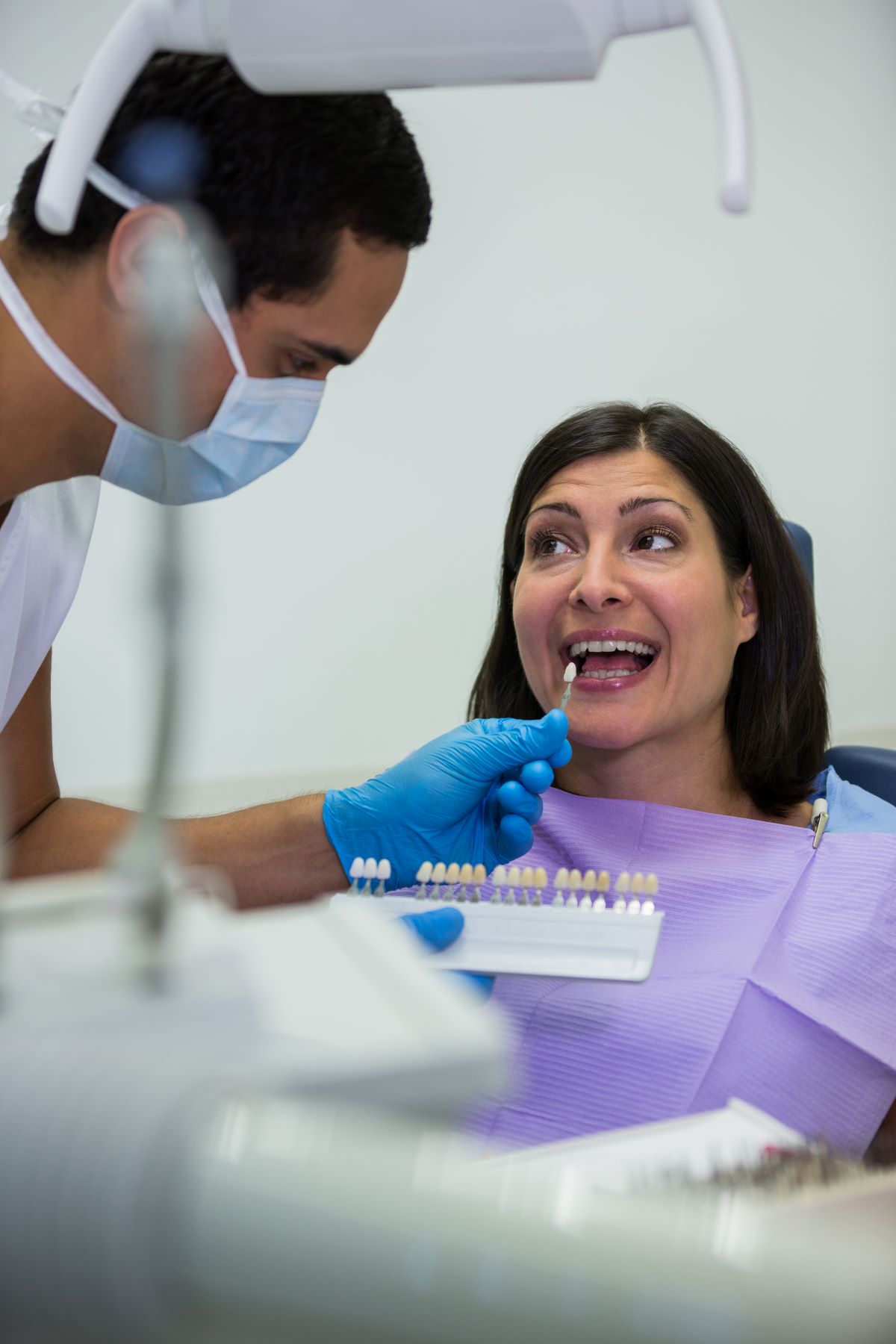
If a dental crown falls out, keep the crown if you can, protect the exposed tooth, avoid chewing on that side and contact a dentist for assessment. Do not permanently glue the crown back yourself.
A crown can become loose because of wear, damage, decay, trauma or problems involving the tooth underneath. The correct next step depends on why it came off.
Step 1: Find the Crown
If you can locate the crown, keep it in a clean container and bring it to the dental appointment.
Do not scrub it aggressively or alter it.
A dentist can determine whether the crown is suitable for reuse or whether a replacement is necessary.
Step 2: Protect the Tooth
The tooth underneath may be more sensitive after the crown comes off.
Until you receive dental advice:
- Avoid chewing on that side.
- Avoid very hard or sticky foods.
- Keep the area clean.
- Brush gently.
- Avoid extreme temperatures if the tooth is sensitive.
Can You Put the Crown Back Yourself?
A temporary dental cement may sometimes be used as a short-term measure under professional guidance, but patients should not use household glue or permanent adhesives.
Household adhesives are not intended for use inside the mouth and can make professional treatment more difficult.
Is a Fallen Crown an Emergency?
Not every lost crown requires emergency treatment.
However, urgent assessment is appropriate when the crown falls out with:
- Severe pain
- Significant sensitivity
- Facial swelling
- Bleeding
- Trauma
- A broken tooth
- Signs of infection
If the crown came off after an accident or the tooth underneath is badly damaged, EverSmile’s [emergency dentistry service] may be the appropriate pathway.
Why Did the Crown Fall Out?
Possible causes include:
Normal Wear
Dental crowns do not last forever. Their lifespan varies with material, oral hygiene, bite forces and other factors.
Decay Around the Crown
If decay develops around the edge of a crown, its support may be compromised.
Crown Damage
A crown can chip, crack or fracture.
Bite or Grinding Forces
Clenching and grinding can place additional forces on restorations.
Problems With the Tooth Underneath
A crown protects a tooth but does not make the underlying tooth immune to decay or fracture.
Will the Same Crown Always Be Reused?
No.
The dentist needs to examine:
- The crown itself
- The tooth
- The fit
- The supporting structure
- The gums
- The bite
The crown may be suitable for recementation, or a new restoration may be recommended.
What Should You Eat?
Until you receive professional advice, choose foods that require less chewing and avoid hard, sticky or very crunchy foods.
If the tooth is sensitive, room-temperature foods may be more comfortable.
FAQs
Can I sleep with a crown that has fallen out?
If the crown is already out, keep it safely stored rather than placing it loosely in your mouth.
Can a dentist put the same crown back?
Sometimes. The dentist must determine whether the crown and supporting tooth remain suitable.
Is a loose crown painful?
It may be painless, mildly sensitive or very painful depending on the cause.
Can a crown falling out mean the tooth is infected?
It can, but not every lost crown indicates infection. Examination is required.
Should I go to an emergency dentist?
Urgent care is appropriate when there is severe pain, swelling, trauma, bleeding or other concerning symptoms.
Conclusion
A fallen crown is a reason to arrange dental assessment, even if the tooth does not hurt. Keep the crown, protect the exposed tooth and avoid household adhesives.
EverSmile’s [dental crown service] provides the relevant treatment pathway, while its [emergency dentistry service] can be used when the problem involves significant pain, trauma or swelling.