
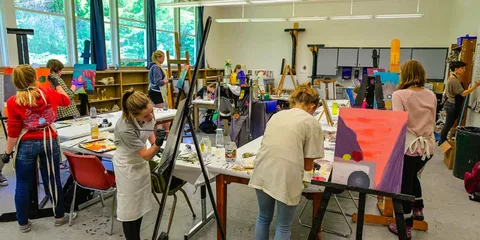
Parents want their children to enjoy meaningful activities that encourage learning, personal growth, and healthy self-expression. While academic subjects and physical activities are important parts of childhood, creative experiences can provide a different kind of learning opportunity. Art classes allow children to explore ideas, develop practical skills, and discover interests that may stay with them for years.
For families in Vaughan and Thornhill, children’s art programs can be an appealing way to introduce structured creativity into a busy weekly schedule. Whether a child enjoys sketching, painting, or experimenting with different materials, an engaging class can turn that interest into a rewarding learning experience.
A Positive Way to Explore Creativity
Children often express curiosity by asking questions, inventing stories, and imagining different possibilities. Art gives them a practical way to explore these ideas.
A blank sheet of paper can become a landscape, a portrait, or an entirely imaginary world. Through drawing and painting, children learn to make choices about shapes, colors, patterns, and composition.
Art classes provide guidance without requiring every child to create the same result. Instructors can introduce techniques and suggest ways to improve a project while allowing students to make individual decisions.
This combination of structure and freedom can help children become more comfortable experimenting with Art Classes for Adults Vaughan . They learn that their ideas do not have to match someone else’s vision to be worthwhile.
Supporting Learning Through Hands-On Activities
Children often benefit from opportunities to learn by doing. Art projects involve observation, planning, decision-making, and practical experimentation.
When drawing an object, a child might examine its shape and proportions. When painting a landscape, they may consider which colors to use and how to arrange the different elements. These activities encourage concentration and help children notice details in their surroundings.
Creative tasks also introduce problem-solving. If a technique does not work as expected, children can try another approach or adjust their original plan.
Although art classes are not a replacement for academic instruction, they can complement other learning experiences by encouraging curiosity, independent thinking, and persistence.
Building Confidence One Project at a Time
Confidence is another reason families consider art education. Completing a project gives children an opportunity to see what they can accomplish through practice.
For beginners, even learning to control a brush or draw a recognizable shape can feel like a meaningful achievement. As their skills develop, they may become more willing to attempt detailed drawings or experiment with unfamiliar materials.
Constructive feedback can make this experience even more valuable. Instructors who recognize effort, curiosity, and improvement help children understand that artistic development takes time.
Parents can reinforce the same message at home by asking children about their work rather than judging it solely by appearance. Questions about inspiration, favorite techniques, and new discoveries show that the creative process matters.
Why Parents Explore Dream Art Studio
Choosing an appropriate learning environment is an important part of introducing children to art. Parents often look for programs that offer guidance, engaging projects, and opportunities to develop artistic interests at a comfortable pace.
Families can explore Dream Art Studio to learn more about its art-related offerings and determine whether the available options suit their children’s interests.
When comparing studios, parents should consider the teaching approach, age suitability, class schedules, available materials, and opportunities for individual guidance. It is also useful to ask how lessons accommodate children with different levels of experience.
The most suitable program is one where children feel welcome, understand the activities, and have room to experiment. A positive environment can make it easier for beginners to participate and for more experienced students to continue developing their skills.
Encouraging Social Interaction and Cooperation
Art classes can also provide opportunities for children to interact with peers in a shared creative setting. Students may exchange ideas, discuss their projects, and observe different approaches to the same assignment.
These experiences can encourage communication and respect for individual differences. Children learn that classmates may choose different colors, interpret subjects differently, or use techniques they have not tried before.
Collaborative projects introduce additional opportunities to practice sharing supplies, listening to others, and working toward a common goal.
For some children, creative activities provide a comfortable starting point for social interaction because the project itself gives them something interesting to discuss.
Offering a Healthy Break From Digital Entertainment
Digital devices are part of modern childhood, but families may also want activities that involve hands-on exploration. Art classes provide an opportunity to work with physical materials, use the senses, and concentrate on a project away from screens.
Drawing, painting, and crafting can offer a change of pace from passive entertainment. Children can make visible progress as they experiment with materials and gradually complete their work.
The goal does not need to be eliminating technology entirely. Instead, art can become one of several balanced activities that provide different experiences throughout the week.
Finding a Program That Fits Family Life
Practical considerations influence whether an art class becomes a lasting activity. Parents should compare schedules, travel time, tuition, and any additional material costs before enrolling.
The child’s preferences should also be part of the decision. Some children prefer short projects with varied activities, while others enjoy spending longer periods developing a single piece of artwork.
Parents can ask about lesson formats, class sizes, enrollment policies, and opportunities to experience a class before making a commitment. These details help families select a program that fits both their child’s interests and their routine.
Conclusion
Parents in Vaughan and Thornhill choose art classes for many reasons, including creative exploration, practical skill development, confidence, and social interaction. These experiences give children opportunities to learn through experimentation while discovering what they enjoy.
By selecting a welcoming program and encouraging creativity at home, families can make art a rewarding part of childhood. The greatest benefit often comes from allowing children to explore freely, celebrate their progress, and discover the satisfaction of creating something of their own.