
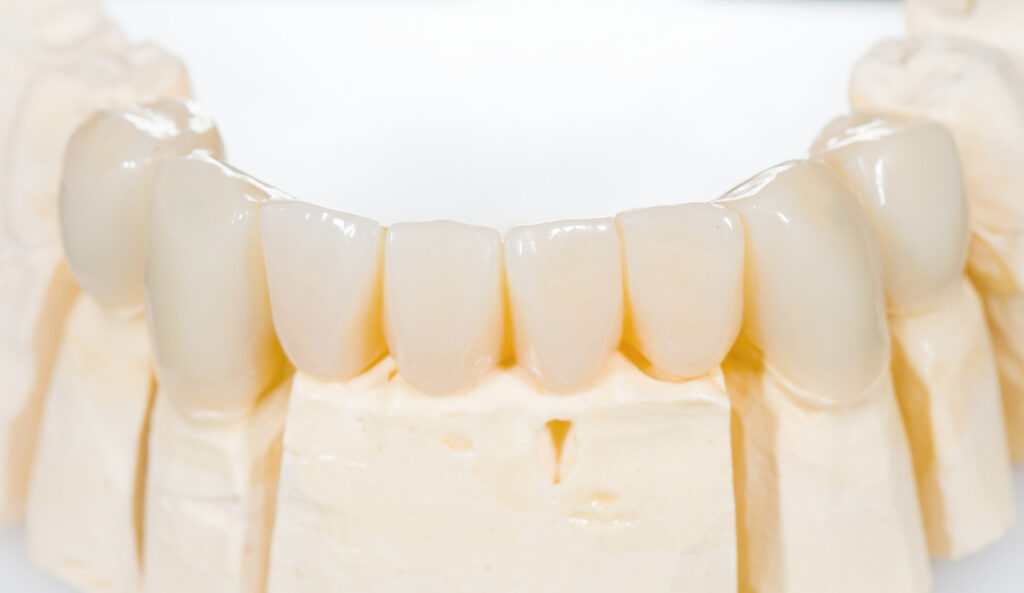
There is no single Canadian price for dentures. The amount someone pays can change substantially depending on whether they need a complete or partial denture, what type of materials are used, whether teeth need to be removed first, what laboratory work is involved, and what insurance or public coverage applies. Consulting a dentist in Edmonton can help you understand the available denture options and the costs based on your individual needs.
That is why a useful denture-cost guide should do more than give one number. The real question is: what is included in the price, and what might be added to it?
The two biggest categories: complete and partial dentures
A complete denture replaces all of the teeth in one arch. It can be an upper denture, lower denture, or a complete upper-and-lower set.
A partial denture replaces some missing teeth while natural teeth remain.
Partial dentures can vary significantly because their design depends on the number and location of missing teeth, the supporting teeth available, and the material used.
Why there is no one national denture price
Dental fees in Canada are influenced by provincial fee guides, provider fees, laboratory charges, and case complexity. A province may publish suggested fees, but that does not create a single national retail price.
The Alberta Dental Association specifically notes that its fee guide contains suggested fees, and individual dentists set their own charges. It also warns that some procedures have laboratory charges in addition to the professional fee.
This distinction is important when comparing prices online. Two advertised numbers may not include the same services.
What the 2026 Alberta fee guide tells us
The 2026 Alberta Suggested Fee Guide provides a useful example of how denture pricing is structured.
For an uncomplicated complete removable denture, the professional fee listed in the abbreviated guide is:
| Denture type | 2026 suggested professional fee |
| Complete upper removable denture | $1,052.45 |
| Complete lower removable denture | $1,052.45 |
| Certain partial lower removable designs | $1,192.80 |
The guide marks these denture entries with an indication that laboratory charges are additional and can vary by case.
These are useful benchmarks, not guaranteed final prices.
For a reader comparing quotes, that distinction can prevent a common mistake: assuming the professional fee is the same thing as the total cost of treatment.
What can increase the final denture cost?
1. The type of denture
A basic complete removable denture has a different design and workflow from a cast-metal partial, implant-supported option, or highly customized prosthesis.
The more specialized the design, the more variables may enter the estimate.
2. Laboratory fees
Dentures involve laboratory work, and laboratory costs can be additional to the dentist’s professional fee.
The lab may fabricate the base, teeth, and other components according to the treatment plan. Material selection and customization can affect the final amount.
3. Extractions before the denture
Some people need teeth removed before a new complete denture can be fitted.
That means a denture estimate may not represent the full treatment plan. Extractions, imaging, temporary dentures, healing-related visits, or other procedures may be billed separately.
4. Existing gum or oral-health problems
If a person has active gum disease, infection, or other dental problems, those issues may need attention before the prosthesis is made.
Addressing the mouth first can change both the timeline and the total cost.
5. Adjustments and relines
A new denture may need adjustments after delivery. Over time, the tissues supporting a removable denture can change, which may make a reline or replacement necessary.
The Alberta fee guide, for example, lists separate fees for minor denture adjustments and complete-denture relines.
Does insurance cover dentures?
Coverage depends on the specific plan.
Private dental insurance may cover some denture-related services, but limits, waiting periods, annual maximums, replacement rules, and other conditions can apply.
Public dental programs have their own rules as well. The Canadian Dental Care Plan covers a range of oral health services, but coverage is subject to plan rules, established fees and, in some cases, preauthorization.
A useful budgeting question is not simply “Does my plan cover dentures?” It is:
How much of the proposed treatment does my plan cover, what fee does it use, and what amount will I personally owe?
Dentures without insurance: what should you ask for?
When paying privately, ask for a written estimate that separates:
- Professional dental fees
- Laboratory charges
- Extractions
- X-rays or examinations
- Temporary dentures, if needed
- Adjustments
- Relines or future repairs
- Any other recommended treatment
This makes it much easier to compare two quotes accurately.
For a deeper explanation of denture pricing and insurance-related factors, readers can use this denture cost guide as a supporting resource.
Why the cheapest denture quote may not be the most comparable
A low advertised figure may look attractive until you discover that it covers only one part of the treatment.
For example, one quote might include laboratory charges while another lists the professional fee only. One provider may also include a follow-up adjustment, while another bills adjustments separately.
The useful comparison is not Price A versus Price B.
It is:
What exactly does Price A include, and what exactly does Price B include?
Questions to ask before moving ahead
Before accepting a denture treatment plan, ask:
- Is this a complete or partial denture?
- Is the quote for one arch or both?
- Are laboratory fees included?
- Are extractions included?
- Are X-rays or examinations included?
- How many adjustment visits are included?
- What happens if the denture needs a reline later?
- What does my insurance or CDCP coverage actually pay?
- Are there additional charges above the applicable fee or plan amount?
- What is the estimated total before treatment begins?
These questions often provide more useful information than searching for a single “average” denture price.
The practical takeaway
Denture cost in Canada is best understood as a treatment plan rather than one sticker price. Type of denture, materials, laboratory work, extractions, adjustments, province, insurance, and individual oral-health needs can all change the final amount.
A written estimate that separates these components gives you a much clearer basis for planning and comparing care. To discuss your options and get a personalized estimate, schedule an appointment with your dentist.
FAQs
How much do dentures cost in Canada?
There is no single national price. Costs vary by province, denture type, materials, laboratory fees, and any additional dental treatment required.
How much is a complete upper denture in Alberta?
The 2026 Alberta Suggested Fee Guide lists $1,052.45 as the suggested professional fee for an uncomplicated complete upper removable denture, with laboratory charges noted separately.
How much is a complete lower denture in Alberta?
The same 2026 guide lists $1,052.45 as the suggested professional fee for an uncomplicated complete lower removable denture, again with laboratory charges potentially additional.
Are dentures covered by insurance?
Some private and public plans may cover eligible denture services, but the amount depends on the individual plan and treatment.
Is a partial denture cheaper than a full denture?
Not necessarily in every case. Partial dentures vary in design and materials, so the final price depends on the number of missing teeth and the type of prosthesis.
Does the denture price include tooth extractions?
Not automatically. Extractions may be billed separately unless they are specifically included in the treatment estimate.
Can CDCP help pay for dentures?
Eligible CDCP clients may have coverage for certain services under the plan, subject to the plan’s rules, fees, and any applicable preauthorization requirements.